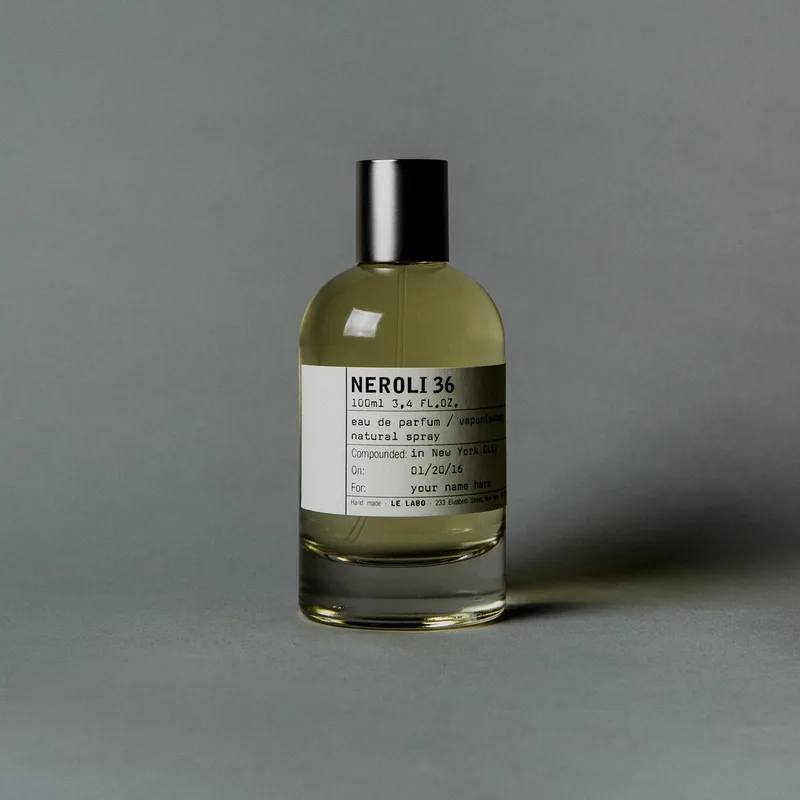
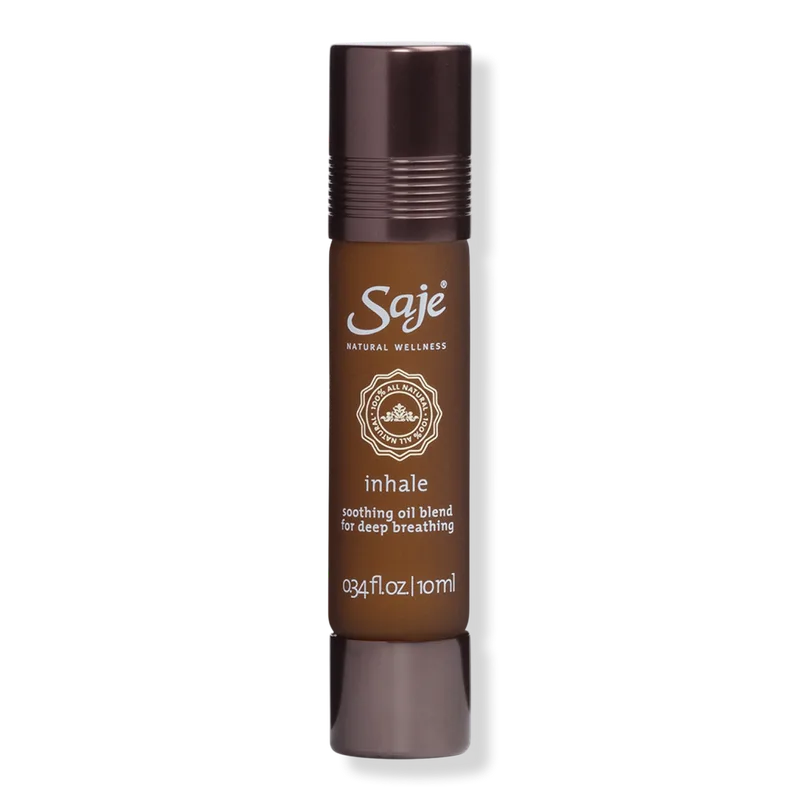
These describe what an ingredient is, not whether it is a problem. The stance marks above are the ratings; these are not.
commonly dryingAlcohol Denat
Alcohol Denat: Denatured ethanol: a fast-evaporating solvent that thins a formula and leaves a dry finish. International Chemical Safety Card ICSC 0044, Ethanol (anhydrous), prepared by an international group of experts for the ILO and WHO: "The substance defats the skin, which may cause dryness or cracking." WHO Guidelines on Hand Hygiene in Health Care (2009) records depletion of the skin lipid barrier by lipid-dissolving alcohols, and also that "the lipid-dissolving effect of alcohols is inversely related to their concentration". Both describe stronger exposures than a cosmetic formula.
Benzyl Salicylate: A faintly floral fragrance component named separately on the label. EU Regulation (EC) 1223/2009, Annex III entry 75: a fragrance substance whose presence must be indicated in the list of ingredients above 0,001% in leave-on and 0,01% in rinse-off products, because of established contact-allergy risk. The entry was replaced by Commission Regulation (EU) 2026/909 of 27 April 2026, which caps it per product type from 0,004% in oral products to 4% in fragrance products; under its footnote (**), products not complying may not be placed on the Union market from 1 January 2027, nor made available from 1 July 2028.
Hexyl Cinnamal: A jasmine-like fragrance component named separately on the label. EU Regulation (EC) 1223/2009, Annex III entry 87: a fragrance substance whose presence must be indicated in the list of ingredients above 0,001% in leave-on and 0,01% in rinse-off products, because of established contact-allergy risk.
Linalool: A floral fragrance component named separately on the label. EU Regulation (EC) 1223/2009, Annex III entry 84: a fragrance substance whose presence must be indicated in the list of ingredients above 0,001% in leave-on and 0,01% in rinse-off products, because of established contact-allergy risk.
Hydroxycitronellal: A lily-like fragrance component named separately on the label. EU Regulation (EC) 1223/2009, Annex III entry 72: a fragrance substance whose presence must be indicated in the list of ingredients above 0,001% in leave-on and 0,01% in rinse-off products, because of established contact-allergy risk.
Geraniol: A rose-scented fragrance component named separately on the label. EU Regulation (EC) 1223/2009, Annex III entry 78: a fragrance substance whose presence must be indicated in the list of ingredients above 0,001% in leave-on and 0,01% in rinse-off products, because of established contact-allergy risk.
Coumarin: A sweet hay-scented fragrance component named separately on the label. EU Regulation (EC) 1223/2009, Annex III entry 77: a fragrance substance whose presence must be indicated in the list of ingredients above 0,001% in leave-on and 0,01% in rinse-off products, because of established contact-allergy risk.
Citronellol: A rose-and-citrus fragrance component named separately on the label. EU Regulation (EC) 1223/2009, Annex III entry 86: a fragrance substance whose presence must be indicated in the list of ingredients above 0,001% in leave-on and 0,01% in rinse-off products, because of established contact-allergy risk.
Limonene: A citrus-smelling fragrance component named separately on the label; the one name covers three related isomers. EU Regulation (EC) 1223/2009, Annex III entry 88: a fragrance substance whose presence must be indicated in the list of ingredients above 0,001% in leave-on and 0,01% in rinse-off products, because of established contact-allergy risk. That entry carries transition footnote (37): stock that does not comply, lawfully placed on the Union market before the 31 July 2026 cut-off, may still be made available until 31 July 2028. It is marked on the racemic dl-limonene/Dipentene line and the (S)-(l-limonene) line, but NOT the (R)-p-mentha-1,8-diene (d-limonene) line, CAS 5989-27-5, whose duty was already running as entry 88 before Commission Regulation (EU) 2023/1545 and so needed no transition. All three isomers are declared under the single glossary name "Limonene", so that name on a label does not identify which of them is present.
Farnesol: A soft floral fragrance component named separately on the label. EU Regulation (EC) 1223/2009, Annex III entry 82: a fragrance substance whose presence must be indicated in the list of ingredients above 0,001% in leave-on and 0,01% in rinse-off products, because of established contact-allergy risk.
Citral: A lemon-scented fragrance component named separately on the label; the one name covers three related substances. EU Regulation (EC) 1223/2009, Annex III entry 70: a fragrance substance whose presence must be indicated in the list of ingredients above 0,001% in leave-on and 0,01% in rinse-off products, because of established contact-allergy risk. As replaced by Commission Regulation (EU) 2026/909 of 27 April 2026, the entry is a GROUPED one covering citral, geranial and neral, declared collectively as "Citral", with per-product-type caps from 0,032% in deodorant to 1,2% in rinse-off and leave-on hair products. Its three substances carry two different sell-through dates: products not complying may not be placed on the Union market from 1 January 2027 in every case, and may not be made available from 1 July 2028 for citral, footnote (**), or from 1 August 2028 for geranial and neral, footnote (***). In the consolidated text those two footnotes are renumbered (46) and (47); both are worded "these substances", where the footnotes that attach to a single named substance say "that substance".
Anise Alcohol: A sweet anise-scented fragrance component named separately on the label. EU Regulation (EC) 1223/2009, Annex III entry 80: a fragrance substance whose presence must be indicated in the list of ingredients above 0,001% in leave-on and 0,01% in rinse-off products, because of established contact-allergy risk.
Benzyl Benzoate: A balsamic fragrance component named separately on the label. EU Regulation (EC) 1223/2009, Annex III entry 85: a fragrance substance whose presence must be indicated in the list of ingredients above 0,001% in leave-on and 0,01% in rinse-off products, because of established contact-allergy risk.
Benzyl Alcohol: Used both as a fragrance component and as a preservative; the EU names it either way. EU Regulation (EC) 1223/2009, Annex III entry 45: a fragrance substance whose presence must be indicated in the list of ingredients above 0,001% in leave-on and 0,01% in rinse-off products, because of established contact-allergy risk. That entry carries transition footnote (38), which is footnote (37) plus a condition: stock that does not comply may still be made available until 31 July 2028 only "provided that they comply with the restrictions applicable on 15 August 2023", and only if it was lawfully placed on the Union market before the 31 July 2026 cut-off. Entry 45 covers its non-preservative use; it is separately an allowed preservative at Annex V entry 34.
undeclared fragrance blendFragrance
Fragrance: A blend the label does not itemize, so what is in it cannot be read from the ingredient list. EU Regulation (EC) 1223/2009 permits the collective term "parfum"; the SCCS Opinion on Fragrance Allergens (SCCS/1459/11) reviews the contact-allergy evidence for the substances it can contain.